How to Import Wheat Straw Tableware from China: A Complete Guide for Buyers

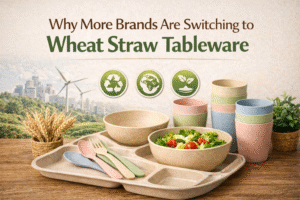
As global demand for sustainable products continues to grow, wheat straw tableware has become a popular choice among retailers, importers, and eco-friendly brands. Products made from wheat straw fiber are lightweight, durable, and environmentally friendly, making them ideal for modern households, restaurants, and promotional markets.
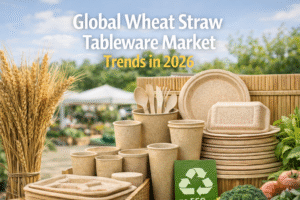
China is currently one of the largest manufacturing hubs for wheat straw tableware. Many international buyers choose Chinese suppliers because of competitive pricing, mature production technology, and flexible customization services.

If you are planning to import wheat straw dinnerware sets, lunch boxes, plates, or bowls from China, this guide will walk you through the entire process—from finding suppliers to shipping the products to your country.


1. Understand the Wheat Straw Tableware Market

Before starting the import process, it is important to understand what wheat straw tableware actually is.

Wheat straw products are typically made from wheat straw fiber combined with food-grade polypropylene (PP). This material allows manufacturers to recycle agricultural by-products and reduce plastic consumption.

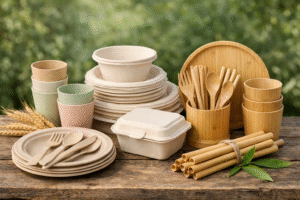
Common wheat straw products include:

  • Wheat straw dinnerware sets

  • Wheat straw plates and bowls

  • Wheat straw lunch boxes

  • Wheat straw cups and mugs

  • Wheat straw cutlery sets

These products are popular in markets such as:

  • Europe

  • North America

  • Australia

  • Middle East

Many retailers and eco-friendly brands are now replacing traditional plastic tableware with wheat straw alternatives due to sustainability concerns.


2. Find Reliable Wheat Straw Tableware Manufacturers

Finding the right supplier is one of the most important steps when importing from China.

You can usually search for suppliers through platforms such as:

  • B2B wholesale platforms

  • Trade shows

  • Google searches for manufacturers

  • Direct factory websites

When evaluating suppliers, consider the following factors:

Manufacturing Experience

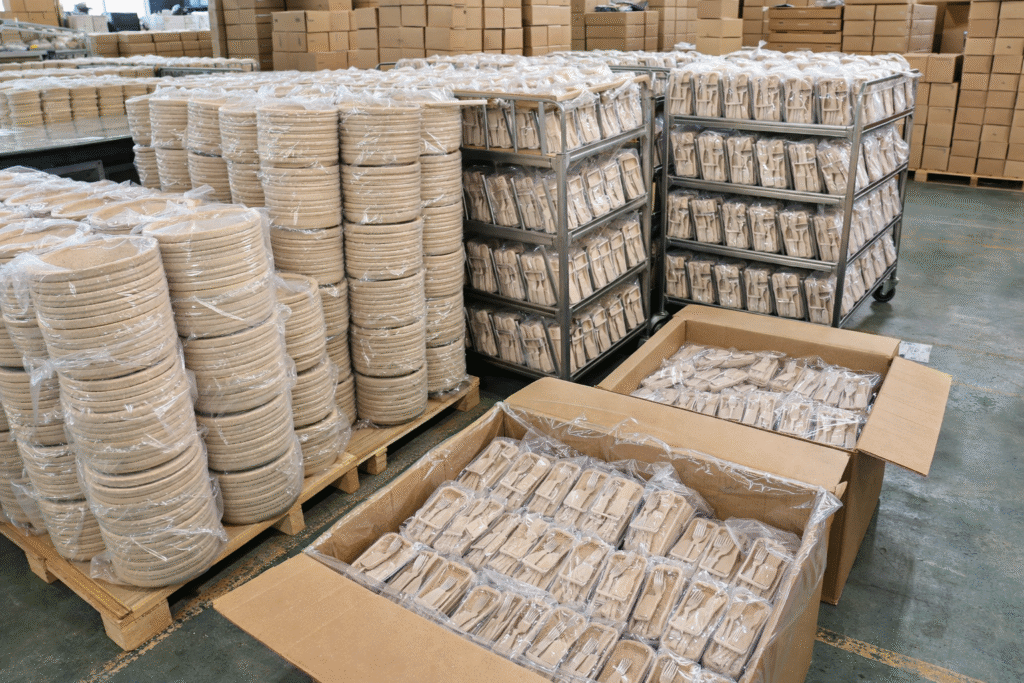
Look for factories with several years of experience in producing eco-friendly tableware. Experienced manufacturers usually have better product quality control and stable production capacity.

Product Range

A professional supplier should offer multiple products such as:

  • Dinnerware sets

  • Lunch boxes

  • Bowls and plates

  • Cups and bottles

This allows you to build a complete product line for your brand.

Customization Capabilities

Many importers prefer private label products. Check whether the supplier can provide:

  • Logo printing

  • Custom colors

  • Packaging design

  • OEM / ODM services

Certifications

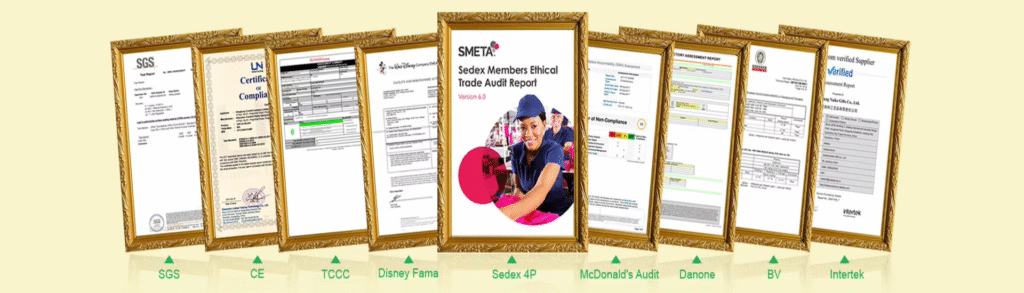
Reliable suppliers should be able to provide international certifications such as:

  • FDA certification

  • LFGB certification

  • Food-grade testing reports

These certifications ensure the products meet safety standards in your target market.

Certificate Management

3. Request Samples Before Mass Orders

Before placing a large order, always request product samples from the supplier.

Samples allow you to evaluate:

  • Material quality

  • Product weight and durability

  • Surface finishing

  • Color consistency

  • Packaging quality

It is also a good opportunity to test whether the product is:

  • Dishwasher safe

  • Microwave safe

  • Odor free

Most professional suppliers can deliver samples within 5–10 days.


4. Understand MOQ and Pricing

MOQ stands for Minimum Order Quantity, which is common in manufacturing.

For wheat straw tableware, typical MOQs are:

ProductTypical MOQ
Dinnerware sets1000 – 3000 sets
Lunch boxes1000 – 2000 pcs
Plates & bowls2000 – 5000 pcs

Prices vary depending on:

  • Material composition

  • Product size

  • Order quantity

  • Customization requirements

  • Packaging options

Generally speaking, larger orders lead to better unit prices.


5. Confirm Customization Details

If you plan to build your own brand, customization is an important step.

Most Chinese manufacturers offer several customization options:

Logo Printing

Common logo methods include:

  • Silk screen printing

  • Heat transfer printing

  • Laser engraving

  • Embossed logo

Color Customization

You can customize colors based on Pantone color codes, which allows your brand to maintain consistent product identity.

Packaging Design

Many importers choose custom packaging such as:

  • Color boxes

  • Kraft paper packaging

  • Eco-friendly packaging

  • Retail gift boxes

Custom packaging helps improve brand recognition and retail value.

Packaging Design

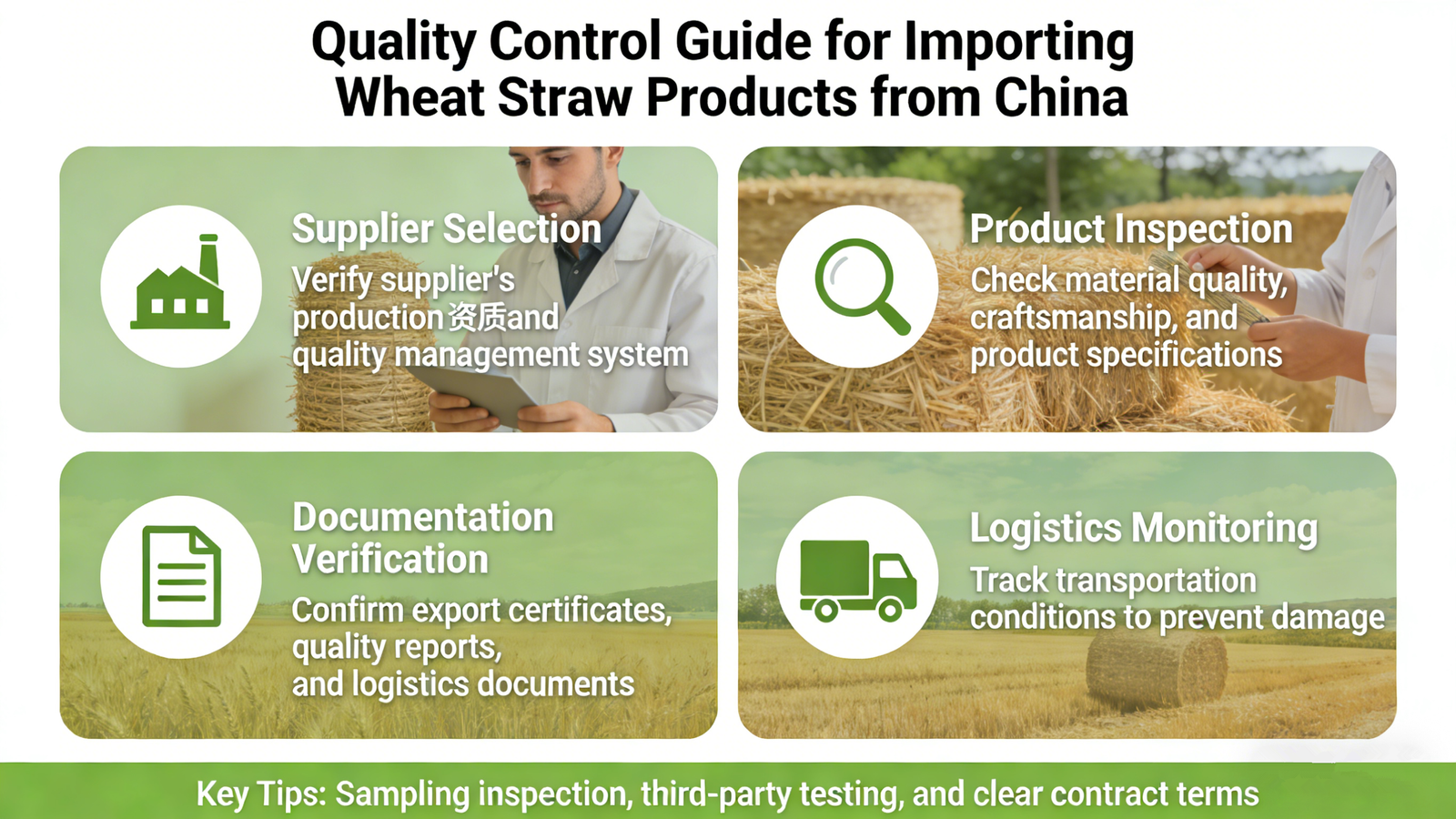
6. Quality Inspection Before Shipment

Before shipping the goods, it is recommended to perform a quality inspection.

Inspection usually checks:

  • Product dimensions

  • Material quality

  • Logo accuracy

  • Packaging condition

  • Quantity verification

Some buyers hire third-party inspection companies to ensure the products meet agreed standards.

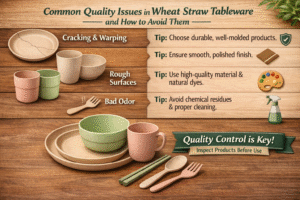
Quality inspection can help avoid issues such as:

  • Color differences

  • Product deformation

  • Incorrect logo printing

  • Packaging damage


7. Choose the Right Shipping Method

There are several shipping options when importing from China.

Sea Freight

Sea shipping is the most common method for large orders.

Advantages:

  • Lowest shipping cost

  • Suitable for bulk orders

Disadvantages:

  • Longer delivery time (25–40 days)

Air Freight

Air freight is faster but more expensive.

Advantages:

  • Faster delivery (5–10 days)

Disadvantages:

  • Higher cost

Express Shipping

For samples or small orders, buyers often use express services such as DHL or FedEx.

Delivery time is usually 3–7 days.


8. Understand Import Duties and Regulations

Different countries have different import regulations for food contact products.

Before importing wheat straw tableware, check:

  • Import duties

  • Product certification requirements

  • Labeling regulations

  • Packaging standards

For example:

  • The EU market requires LFGB testing

  • The US market requires FDA compliance

Working with an experienced supplier can make this process easier.


9. Build Long-Term Supplier Relationships

Successful importers often build long-term partnerships with reliable factories.

Benefits include:

  • Better pricing

  • Faster production

  • Priority orders

  • Stable product quality

Many brands start with small orders and gradually increase volume as the business grows.

FAQ About Importing Wheat Straw Tableware

1. Is wheat straw tableware safe for food use?
Yes. High-quality wheat straw tableware is made from food-grade materials and usually complies with FDA or LFGB standards.

2. Can wheat straw products be used in microwaves?
Most wheat straw tableware is microwave safe for short heating periods, but it is always recommended to confirm with the manufacturer.

3. What is the typical production lead time?
Production usually takes 15–30 days, depending on order quantity and customization requirements.

4. Can I add my own logo on wheat straw products?
Yes. Most manufacturers provide OEM services including logo printing and custom packaging.

5. What is the typical lifespan of wheat straw tableware?
With normal use, wheat straw tableware can last several years and is highly durable for daily use.

Leave a Reply

Your email address will not be published. Required fields are marked *

OR LEAVE US A MASSAGE

We will contact you as soon as we see the information

YOU CAN CONTACT US

+8618559050813          sales@naikegroup.com