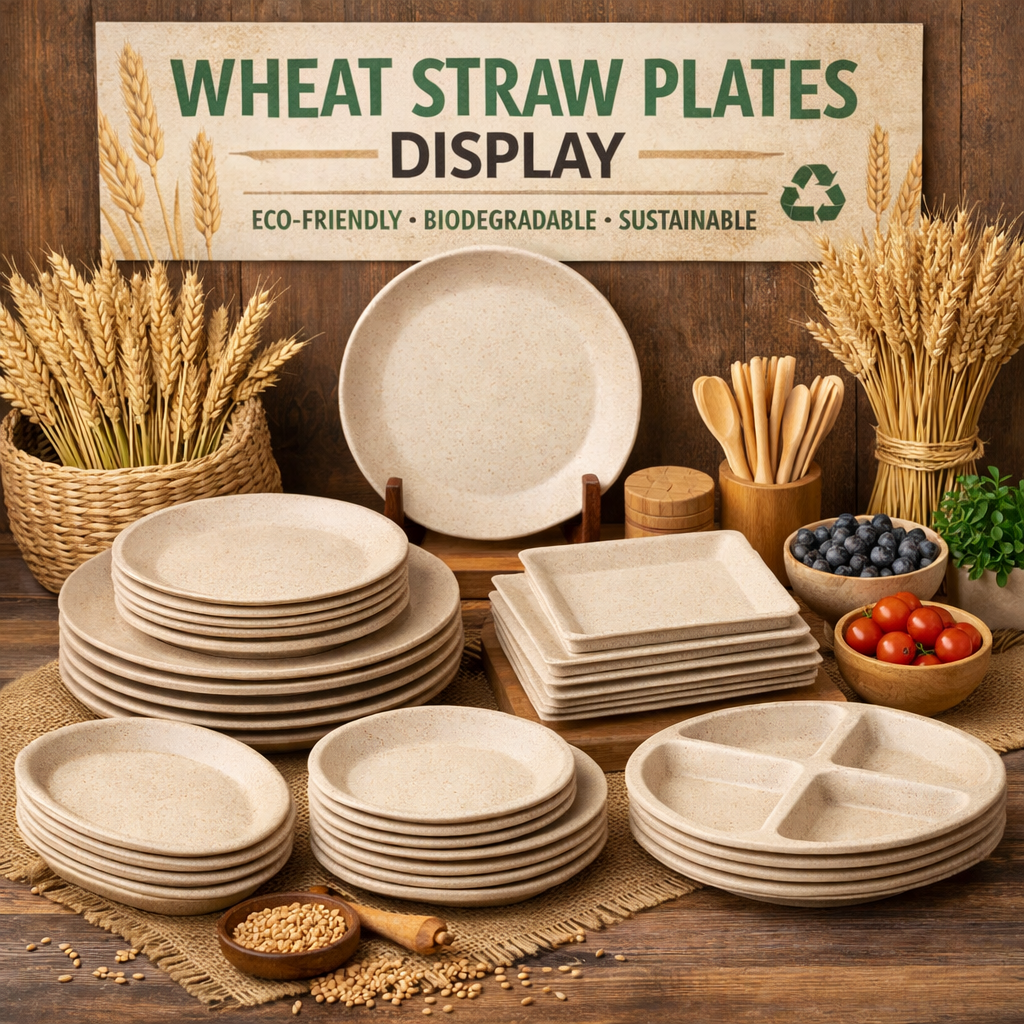
Wheat Straw Plates VS Melamine Plates: Cost & Performance Comparison

Naike Eco as eco-friendly products continue to gain traction in global markets, two popular tableware materials stand out: wheat straw plates and melamine plates. Both offer advantages over traditional plastics, but they differ significantly in cost, performance, and suitability for specific end-use cases.

In this comparison guide, we break down the key differences to help importers, distributors, and retail buyers make informed sourcing decisions.


What Are Wheat Straw Plates?

Wheat straw plates are made from agricultural byproducts — the leftover stalks after wheat grain harvest. These fibers are mixed with binders to create durable, lightweight dinnerware. Wheat straw products are often marketed as a sustainable alternative to plastics because they reduce reliance on virgin fossil materials.

🌿 Note: Most commercial wheat straw plates include a binder such as PP or PLA, which affects biodegradability.

What Are Melamine Plates?

Melamine plates are made from melamine resin, a hard thermoset plastic known for strength, heat resistance, and affordability. They are widely used in:

• Hotels and restaurants
• Cafeterias
• Outdoor dining
• Retail dinnerware products

Melamine is not biodegradable, but its durability makes it popular for high-use settings.

Melamine Dinnerware Set Manufacture

Cost Comparison: Wheat Straw vs Melamine

Cost ComponentWheat Straw PlatesMelamine Plates
Material CostModerateLow
Production CostSlightly HigherLower
Customization CostModerateLow
Packaging & BrandingModerateModerate
Shipping (Weight)LightLight
Average FOB Price$$$

Analysis

Melamine plates generally have a lower production and FOB cost due to mature manufacturing and low raw material pricing.
Wheat straw plates are slightly higher in cost because they use renewable materials and newer production processes.
Both are lightweight, which keeps international freight costs competitive.

eco tableware cost comparison wheat straw vs melamine


Key Performance Comparison

1️⃣ Durability

  • Melamine: Excellent impact resistance; won’t crack easily.

  • Wheat Straw: Good strength but slightly less impact resistance than melamine.


Heat Resistance

  • Melamine: High heat resistance but not microwave-safe.

  • Wheat Straw: Moderate heat resistance; some variants are microwave-safe depending on binder.

heat resistance comparison melamine dinnerware vs wheat straw


Food Safety & Compliance

FeatureWheat Straw PlatesMelamine Plates
FDA Food ContactYes (with certification)Yes (with certification)
BPA FreeYesUsually Yes
Microwave SafeSometimesNo
Dishwasher SafeOftenYes

Note: Always verify test reports and certificates from suppliers.

tableware food safety certification guide

Factory Supplier

Environmental & Sustainability Considerations

Wheat straw plates: Considered more eco-friendly due to renewable content.
Melamine plates: Long lifecycle but based on synthetic resin.

When sourcing, environmental claims should be backed by transparent material composition and third-party certification.


Sourcing Considerations

For B2B buyers, cost and performance aren’t the only factors. Also consider:

Supplier Certification

✔ FDA
✔ LFGB
✔ ISO quality systems


Customization & Branding Support

  • Logo printing

  • Custom packaging

  • Color matching

OEM eco tableware customization services


Production Capacity & Lead Time

  • Check if the supplier can support peak season demand

  • Verify sample timeline vs bulk production

supplier evaluation factory capacity checklist


Final Recommendation

Use CaseBetter Choice
Retail brands seeking eco positioningWheat Straw Plates
High-usage commercial diningMelamine Plates
Occasional home useEither option
Microwave use neededWheat Straw (depending on binder)
Lowest upfront costMelamine

Each material has strength in specific applications, so match the product type with your market demand and price strategy.


Conclusion

When comparing wheat straw plates vs melamine plates, it’s important to weigh cost, performance, compliance, and sustainability. Both materials have a place in modern tableware portfolios, but understanding their differences helps you make smarter sourcing decisions.

Leave a Reply

Your email address will not be published. Required fields are marked *

OR LEAVE US A MASSAGE

We will contact you as soon as we see the information

YOU CAN CONTACT US

+8618559050813          sales@naikegroup.com